The Pentagon Shake-Up: An Analysis of Recent Leadership Changes
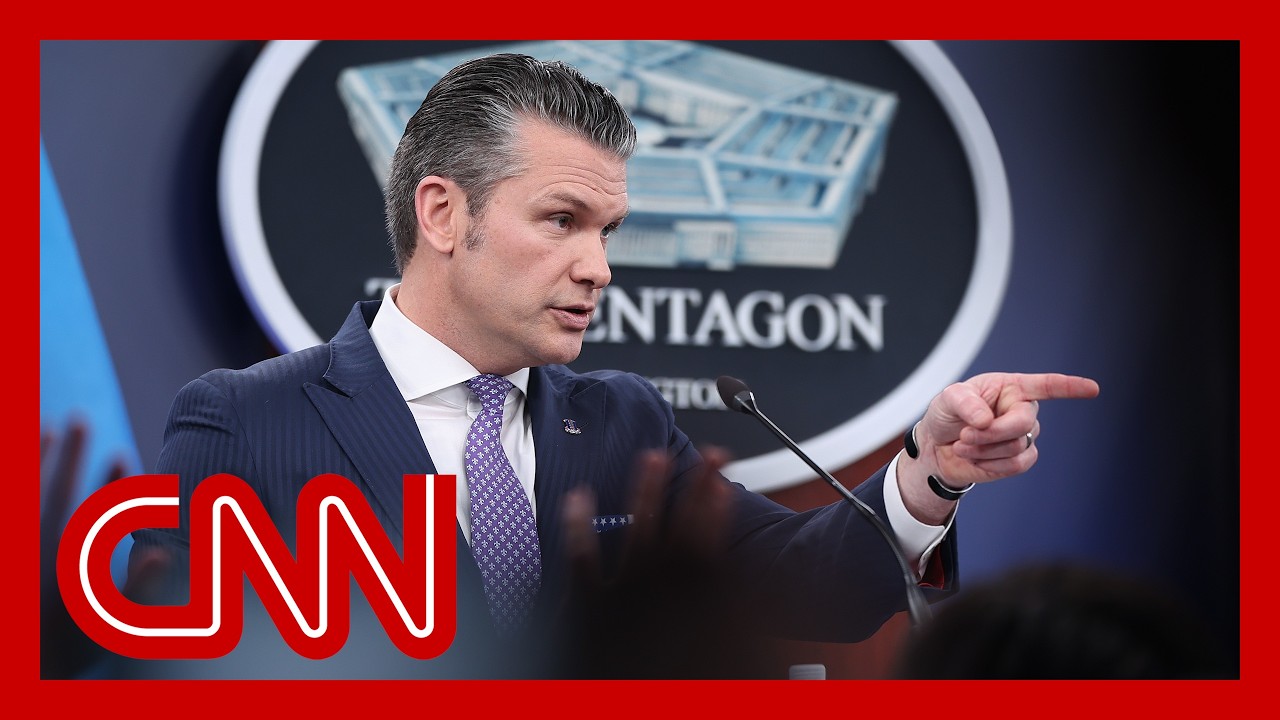
On Thursday, Defense Secretary Pete Hegsath dismissed U.S. Army Chief of Staff General Randy George along with two other prominent generals, sparking significant dialogue surrounding military leadership amid escalating tensions in Iran. This decision is not merely anecdotal; rather, it marks a pivotal point in the evolving landscape of U.S. military strategy and internal dynamics.
The announcement was characterized as a "retirement effective immediately" by Pentagon spokesman Shawn Parnell. Such phrasing, however, underscores a deeper narrative of abrupt leadership changes. Senior military leadership reportedly found this decision to be surprising and ill-conceived. One U.S. official was quoted as saying, “It doesn’t feel like a very thought-out decision.” This sentiment invites scrutiny over the rationale behind these actions and their potential implications for military readiness and cohesion at a time of heightened operational activity.
General Randy George, a decorated officer with over 40 years of service, has long been respected for his strategic acumen and dedication to the well-being of service members. His earlier efforts during the precarious placement of Combat Outpost Keading in Afghanistan underscore his commitment to safety and efficacy in military operations. His dismissal, alongside Major General William Green Jr., Chief of Chaplains, and General David Hodney, Commander of Army Transformation and Training Command, points to a troubling pattern of dismissals within the Pentagon under Hegsath’s administration. Since taking office, Hegsath has reportedly removed over a dozen senior officers, drastically reshaping the Joint Chiefs of Staff.
Critics contend that Hegsath’s leadership style fosters an environment intolerant of dissent. This is particularly evident in the targeting of officers who have advocated for diversity, equity, and inclusion (DEI) initiatives. The very notion of meritocracy is being questioned as Hegsath appears to prioritize physical standards and a narrow view of who qualifies for leadership roles. The ramifications of such a shift could render military leadership less reflective of the diverse society it serves, further complicating issues of recruitment and public trust.
Recent reports have suggested that this trend extends beyond mere personnel changes. Allegedly, Hegsath has actively blocked the promotions of four Army officers, two of whom are women and two are Black. Despite claims from Parnell that the promotion process is apolitical and unbiased, the actions taken against these officers raise alarming questions about bias in the decision-making process. Leaked interactions suggest that there is an ongoing conflict between Hegsath and Army leadership, particularly with Army Secretary Dan Driscoll, who has been resistant to changes that Hegsath proposed.
The context becomes even more complex in light of ongoing military operations in Iran. Public sentiment surrounding a potential ground invasion is lukewarm at best, with reports indicating that only 11% of Americans support such a move. In this atmosphere of uncertainty, the Pentagon’s leadership upheaval may be perceived as a significant misstep. The removal of experienced generals could undermine military strategy and lead to critical lapses in decision-making at a time when cohesion and operational expertise are vital.
Retired U.S. Army Lieutenant General Russell Honore has expressed profound concern over these firings. He articulated that the Chief of Staff’s role is integral in planning and executing military strategy. Removing generational expertise during wartime can be detrimental. Honore indicated that the current shake-ups seem to favor those who are compliant rather than those who foster healthy debate and discussion, which are essential in the military decision-making process.
As the U.S. grapples with a significant international military challenge, the implications of Hegsath’s purges go well beyond individual careers. They reflect a broader ideological shift within the Pentagon, raising serious questions about leadership integrity and the future of military strategy. Maintaining trust and morale among troops is crucial, particularly in dangerous times.
In concluding this analysis of the current Pentagon leadership crisis, it becomes increasingly clear that the ramifications may extend far into the future. A military shaped by loyalty rather than experience and inclusive values could lead to unforeseen consequences, both on the battlefield and within the ranks. As the U.S. military prepares to navigate complex global challenges, it is essential that it remains guided by seasoned leadership capable of fostering unity and inclusivity while safeguarding national interests.